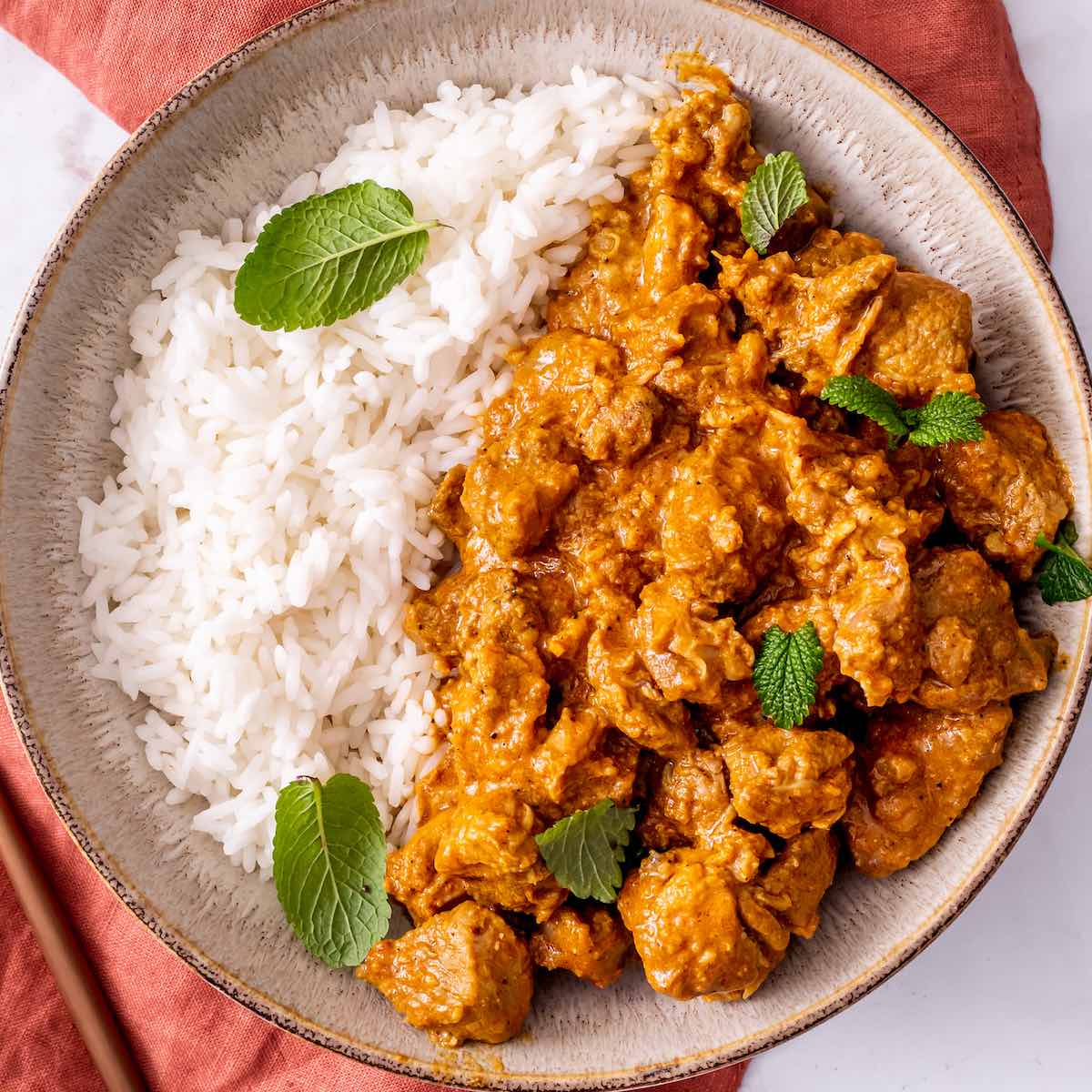
Fall-Apart Lamb Rogan Josh: Master Restaurant Flavors at Home
Imagine a culinary masterpiece in your own kitchen: succulent, fall-apart lamb slow-cooked in a rich, intensely aromatic sauce that coats your palate with layers of complex flavor. This isn't just a fantasy; it's the promise of mastering lamb rogan josh restaurant style at home. Often considered one of the crown jewels of Indian cuisine, Rogan Josh is a dish that truly shines when crafted with care, delivering a depth and richness that elevates it far beyond your average weeknight meal.
While many Indian dishes have found a comfortable spot in home cooking, achieving that truly authentic, restaurant-quality Rogan Josh can seem daunting. But we're here to demystify the process, revealing the secrets to creating a curry so delicious, your family and friends will swear you hired a professional chef. Get ready to embark on a flavor journey that transforms humble ingredients into a spectacular feast.
What Makes Lamb Rogan Josh So Irresistible?
At its heart, Lamb Rogan Josh is a celebration of tender meat and a profoundly flavorful gravy. The allure lies in the contrast: the melt-in-your-mouth texture of lamb, often achieved through long, slow cooking, juxtaposed with a vibrant, warming sauce that boasts a stunning deep red or brown hue. This isn't just any curry; it's a dish that demands attention and rewards patience.
While Rogan Josh can be incredibly delicious with other proteins—chicken, beef, or even goat (mutton Rogan Josh is particularly esteemed for its robust flavor)—and delightful in vegetarian versions with paneer or chickpeas, many connoisseurs agree that lamb truly elevates the dish. The inherent richness and unique flavor profile of lamb add an unparalleled depth that pushes the curry "over the top," creating a more profound and satisfying experience. It's a dish that, when done right, defines whether an Indian restaurant truly earns its salt, and it's this gold standard we aim to recreate in your kitchen.
Unraveling the History and Name of Rogan Josh
The story of Rogan Josh is as rich and layered as its flavors, albeit with a charmingly "fuzzy history." It undeniably hails from the beautiful valleys of Kashmir, a region famed for its unique culinary traditions. Its roots are often traced back to the Moghul empire, bringing with it Persian influences that shaped the early character of the dish. This fusion of regional ingredients and imperial cooking techniques ultimately birthed a dish that has since become a global classic, beloved in Indian restaurants worldwide.
Even the name itself, "Rogan Josh," is open to interpretation. Some culinary historians suggest "Rogan" refers to ghee or clarified butter, implying the dish is "stewed in ghee," while "Josh" could mean heat or passion. Another popular interpretation, and one that resonates deeply with the dish's visual appeal, suggests "Rogan" means red or brown (referring to the color) and "Josh" means stew, translating to a "red/brown stew." Regardless of its precise etymology, the essence remains: a deeply flavored, often vibrantly colored, slow-cooked meat dish. Ultimately, the joy of Rogan Josh lies not in dissecting its linguistic origins, but in savoring every spoonful of its magnificent flavor.
The Secret to Restaurant-Quality Rogan Josh: Conquering the Yoghurt Challenge
For many home cooks, replicating that signature restaurant-style sauce can be a challenge. A common pitfall, surprisingly, often involves yoghurt – an ingredient critical to the traditional Rogan Josh. While yoghurt works beautifully in many homestyle curries, imparting a creamy tang when slowly cooked down, it can introduce an undesirable "funky," "cheesy," or slightly "off-milk" background flavor when used incorrectly in a restaurant-style context. This is a hurdle many chefs and passionate home cooks have grappled with, leading to frustration when aiming for that clean, rich curry profile.
The crucial insight, a true game-changer for achieving authentic lamb rogan josh restaurant style at home, is to understand how restaurants manage yoghurt. The secret lies in a technique often referred to as "frying out the yoghurt." Instead of simply stirring it in and simmering, the yoghurt is added early and cooked vigorously, stirring constantly, until its moisture evaporates, and the fat separates. This intense cooking process, often done after browning the aromatics, caramelizes the dairy solids, removes any sourness, and ensures it fully emulsifies with the other fats and spices, contributing to the sauce's body and richness without imparting any unwelcome flavors. It's a meticulous step, but absolutely vital for a velvety, non-split, and perfectly balanced curry. Master this technique, and you'll Unlock Restaurant-Style Lamb Rogan Josh: The Yoghurt Secret, transforming your curry from good to extraordinary.
The Symphony of Spices: Building Complex Flavors
One glance at a traditional Rogan Josh recipe might seem intimidating due to the extensive list of ingredients, primarily a diverse array of spices. However, it's this very "symphony of spices" that creates the dish's nuanced, complex flavor profile. There's no real shortcut to achieving such depth; each spice plays a crucial role, contributing its unique aroma, warmth, and pungency to the overall masterpiece.
Think of it not as dozens of separate ingredients, but as a meticulously composed orchestra where each instrument contributes to a harmonious whole. Most of these "ingredients" are simply different spices that, once mixed, effectively become a single flavor component. For an authentic restaurant-style experience, start with high-quality, fresh spices. Whenever possible, toast whole spices lightly before grinding them yourself; this simple step vastly enhances their aroma and flavor compared to pre-ground varieties.
The magic happens in the layering. Spices aren't just thrown in; they are often bloomed in hot oil or ghee, allowing their fat-soluble flavor compounds to release and infuse the cooking medium. This initial frying of spices, along with ginger and garlic, builds the foundational aroma for the curry. Then, subsequent additions, like the critical fried-out yoghurt, tomato paste, and other liquids, slowly meld with these foundations over time. This patient layering process is what allows the flavors to deepen and intertwine, moving beyond a simple "spicy" taste to a rich tapestry of savory, earthy, and aromatic notes that are the hallmark of an exceptional Rogan Josh. To truly Homemade Rogan Josh: Recreate Complex Restaurant Flavors Easily, embracing this spice strategy is paramount.
Mastering the Technique: Stovetop, Slow Cooker, or Instant Pot
Achieving that glorious fall-apart lamb is non-negotiable for a restaurant-quality Rogan Josh. Fortunately, modern kitchens offer several pathways to this tender perfection, whether you prefer the traditional stovetop method, the hands-off convenience of a slow cooker, or the speed of an Instant Pot. Each method has its merits, but some initial steps are universally crucial for maximizing flavor.
- Stovetop: The Traditional Approach
The stovetop method involves browning the lamb thoroughly in batches to develop a rich, caramelized crust, then building the sauce by frying out aromatics, spices, and the crucial yoghurt. The curry is then simmered gently for several hours, allowing the lamb to become fork-tender and the flavors to meld beautifully. This method offers the most control over the cooking process, letting you observe and adjust as the sauce develops its body and depth. - Slow Cooker: Effortless Tenderness
For busy home cooks, the slow cooker is a godsend for achieving incredibly tender lamb with minimal active effort. The key, however, is not to simply dump all ingredients in. Always start by browning the lamb on the stovetop and frying out your aromatics, spices, and yoghurt in a separate pan before transferring them to the slow cooker. This initial sautéing step is vital for developing the foundational flavors that make the curry sing. Once everything is in the slow cooker, set it on low for 6-8 hours or high for 3-4 hours, and let it work its magic. - Instant Pot: Speed and Convenience
The Instant Pot offers the fastest route to fall-apart lamb. Like the slow cooker, the "Sauté" function is indispensable for browning the lamb and building the initial flavor base with spices and aromatics. Once these steps are complete, add the liquids, pressure cook for about 25-30 minutes (followed by natural release), and you'll be amazed at how quickly the lamb becomes exquisitely tender. A quick simmer after pressure cooking allows the sauce to thicken and the flavors to concentrate further.
Regardless of your chosen method, remember these essential tips:
- Choose Your Lamb Wisely: Lamb shoulder or leg, cut into generous 1.5-2 inch cubes, works best for slow cooking. Their fat content keeps the meat moist and adds flavor to the sauce.
- Don't Skip the Browning: Searing the lamb pieces on all sides before adding liquids creates a Maillard reaction, developing deep, savory flavors. Do this in batches to avoid overcrowding the pan.
- Patience is a Virtue: The true magic of Rogan Josh unfolds during the slow simmer. Resist the urge to rush this process. The longer the flavors have to meld, the more complex and delicious your curry will be.
- Taste and Adjust: Always taste your curry before serving. Adjust salt, acidity (a squeeze of lemon or lime), or a pinch of sugar to balance the flavors perfectly.
Conclusion
Creating lamb rogan josh restaurant style at home is an incredibly rewarding culinary endeavor. It’s a dish that, once mastered, will impress and delight anyone who tastes it. By understanding the nuances of spice layering, conquering the yoghurt challenge, and allowing ample time for the lamb to tenderize, you can faithfully recreate those complex, deeply satisfying flavors usually reserved for your favorite Indian restaurant. Don't be intimidated by the ingredient list; each component plays its part in building a rich, unforgettable experience. Embrace the process, savor the aromas, and prepare to amaze yourself with a homemade Rogan Josh that truly embodies restaurant quality.
